Associate Professor of Instruction in Data Science and Artificial IntelligenceUniversity of Rochester
I use artificial intelligence, machine learning and deep learning, network analysis, and natural language processing to uncover patterns in social and political data.
Master of Business Administration (STEM MBA)Simon Business School, University of Rochester
BA, Mathematics, Economics, and International and Global StudiesBrandeis University
SICSS Rochester
Summer Institute in Computational Social Science
I have organized SICSS Rochester since 2022. The institute brings social scientists and data scientists together for lectures, tutorials, and participant-led research.
Topics include images and text as data, generative AI, networks, machine learning, and research ethics.
Recordings of 252 Grand Chamber hearings reveal substantial differences in judges’ participation in public questioning. National judges of respondent states ask questions more often, and documented language proficiency is also associated with participation.
A directory of party organizations and annotated Street View panoramas is used to study where Turkish parties locate offices and display symbols. Offices cluster near commerce, government institutions, and rival parties; nearby symbol shares do not predict changes in electoral support.
Six language models answer survey questions in the personas of 23 religious and intellectual figures. The study compares responses with and without retrieved texts and finds that model identity accounts for more variation than tradition and scholar combined.
A measurement study links street-level and aerial imagery to 252 U.S. campuses and tests what visible conditions can reveal about sustainability ratings. Imagery captures features such as vegetation but explains only a limited share of institutional sustainability scores.
Can AI read a judge’s reactions from a courtroom video? We link European Court of Human Rights webcasts to judges, speakers, and judgments. An apparent difference between responses to applicants and governments largely disappears after accounting for where judges turn their heads—a lesson in measuring facial displays without mistaking them for feelings.
How does war propaganda change when it looks like a toy? We study 363 pro-Iranian LEGO-style videos, tracing who gets agency, who receives blame, and whose suffering is shown. The playful format combines selective depictions of violence with references to an adversary’s own politics and popular culture.
Compare how multimodal language models locate salient objects in images, refine predicted boxes into masks, and evaluate the results against reference annotations.
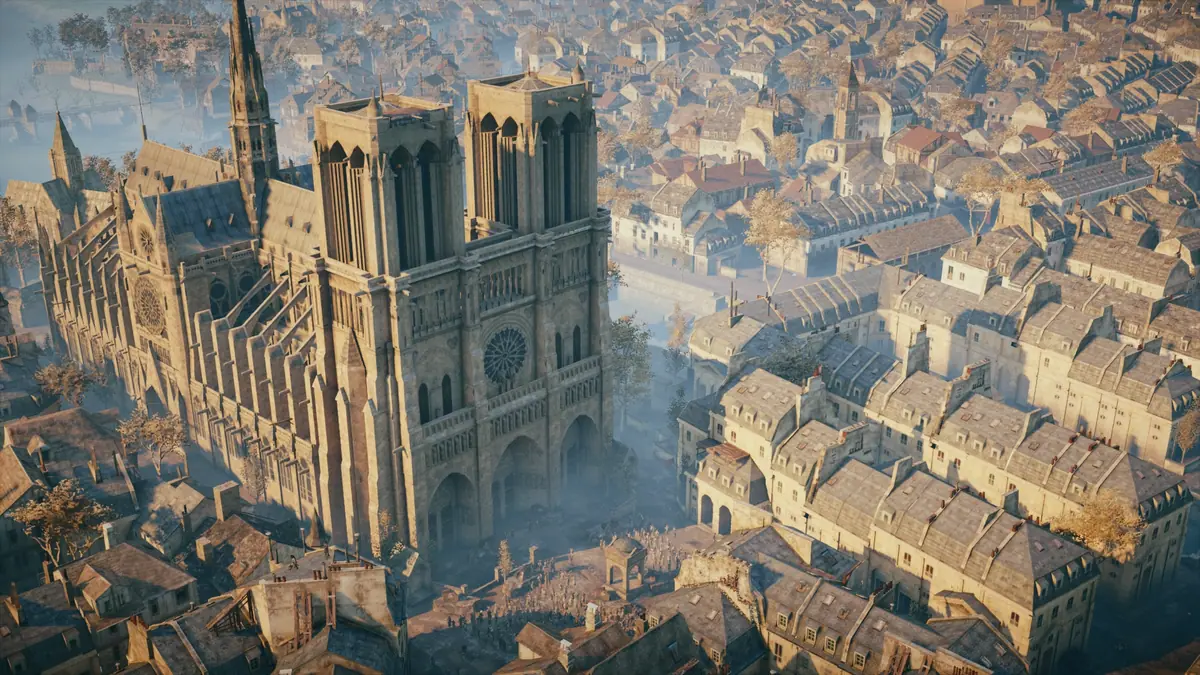
Explore the real places that video games rebuild. Search landmarks or games, browse historical periods, and compare photographs with in-game depictions.
The collection links 1,116 places across 76 games, with 1,452 in-game depictions and their source records.
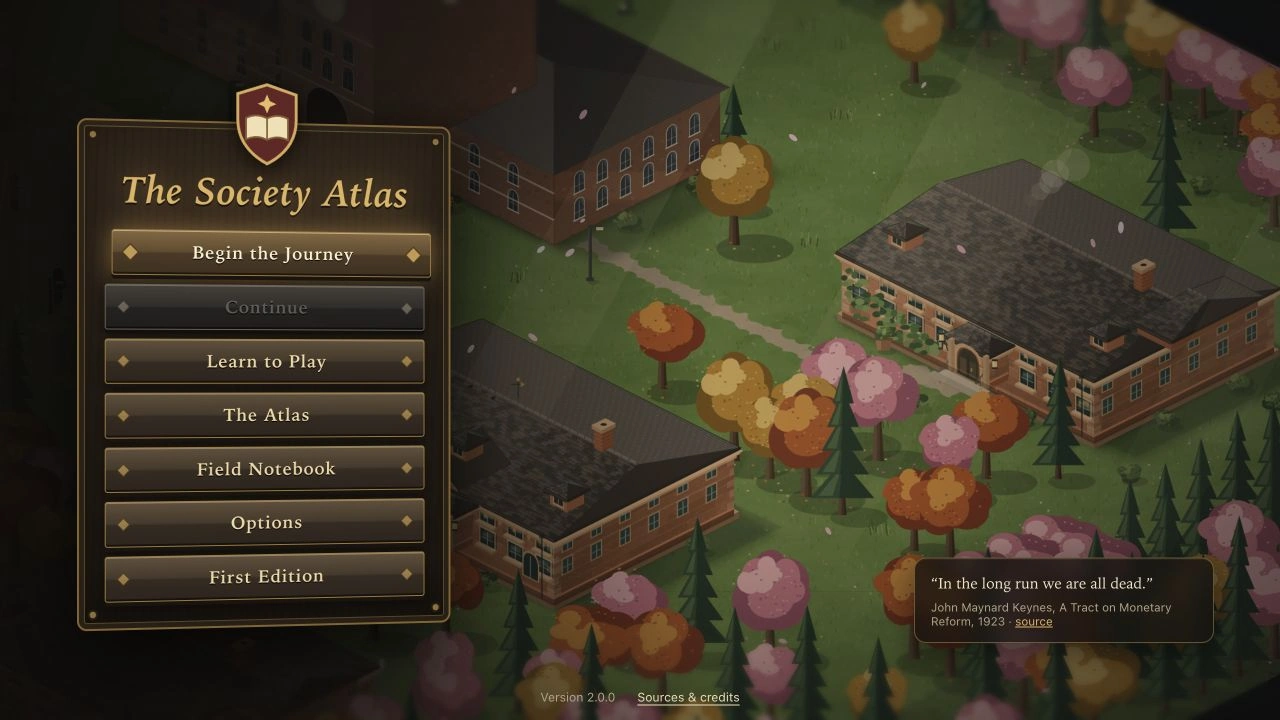
A computational social science browser game: explore university campuses, meet researchers, and solve puzzles about data, networks, and human behavior.
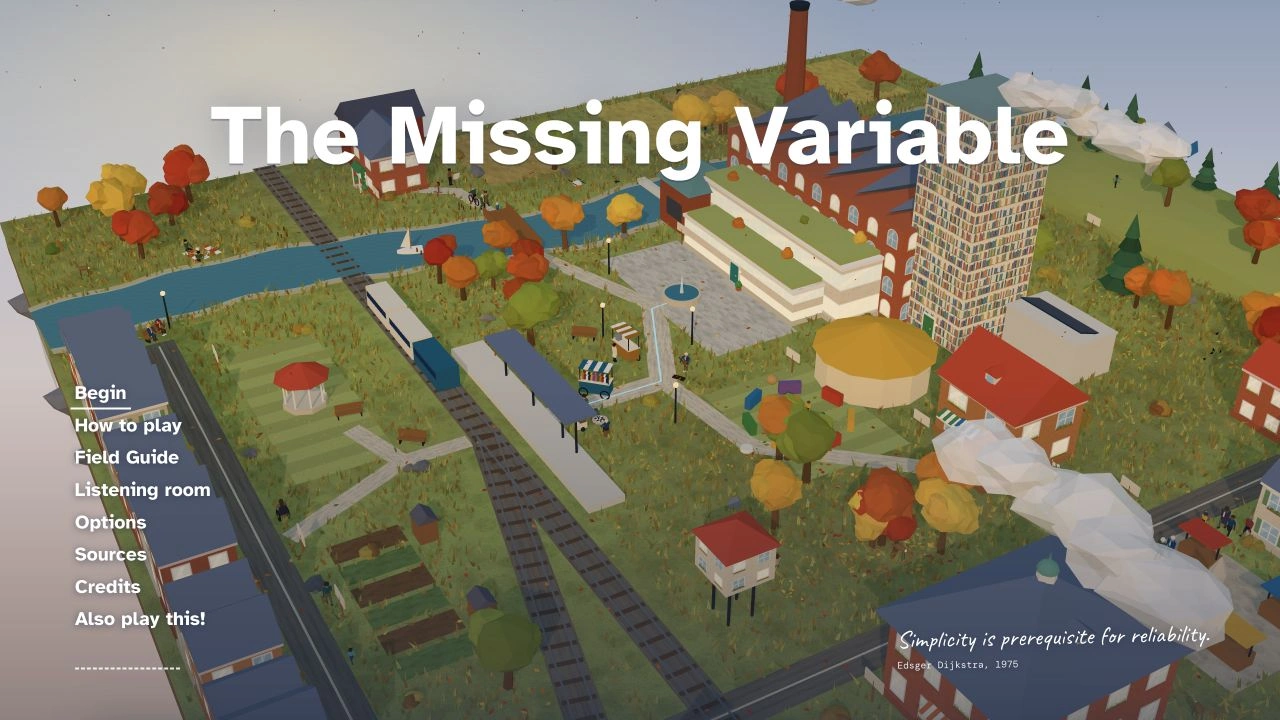
A quiet exploration game about data, learning machines, and a library’s missing column. Travel between places, gather evidence, and learn one new idea at each stop.
Teaching & mentorship
I teach statistical machine learning and data mining, and supervise student research in computational social science and AI.